

The 5+1 Dimension Framework
How we score your ADHD experience across research-backed cognitive dimensions — and why a “mode” is more useful than a “type.”
Why Dimensions, Not Types?
Traditional ADHD models force you into boxes: you're either “Inattentive” or “Hyperactive” or “Combined.” But real ADHD doesn't work that way. Your brain has a pattern — a unique mix of intensity, speed, emotional reactivity, and coping strategies that shifts with context.
Our model measures you on 5 independent dimensions. Your scores create a profile. Your dominant modeis the dimension where your brain's pattern is most pronounced — but you exist on all 5 spectrums simultaneously.
The 5 Core Dimensions
Dimension 1: Emotional Reactivity
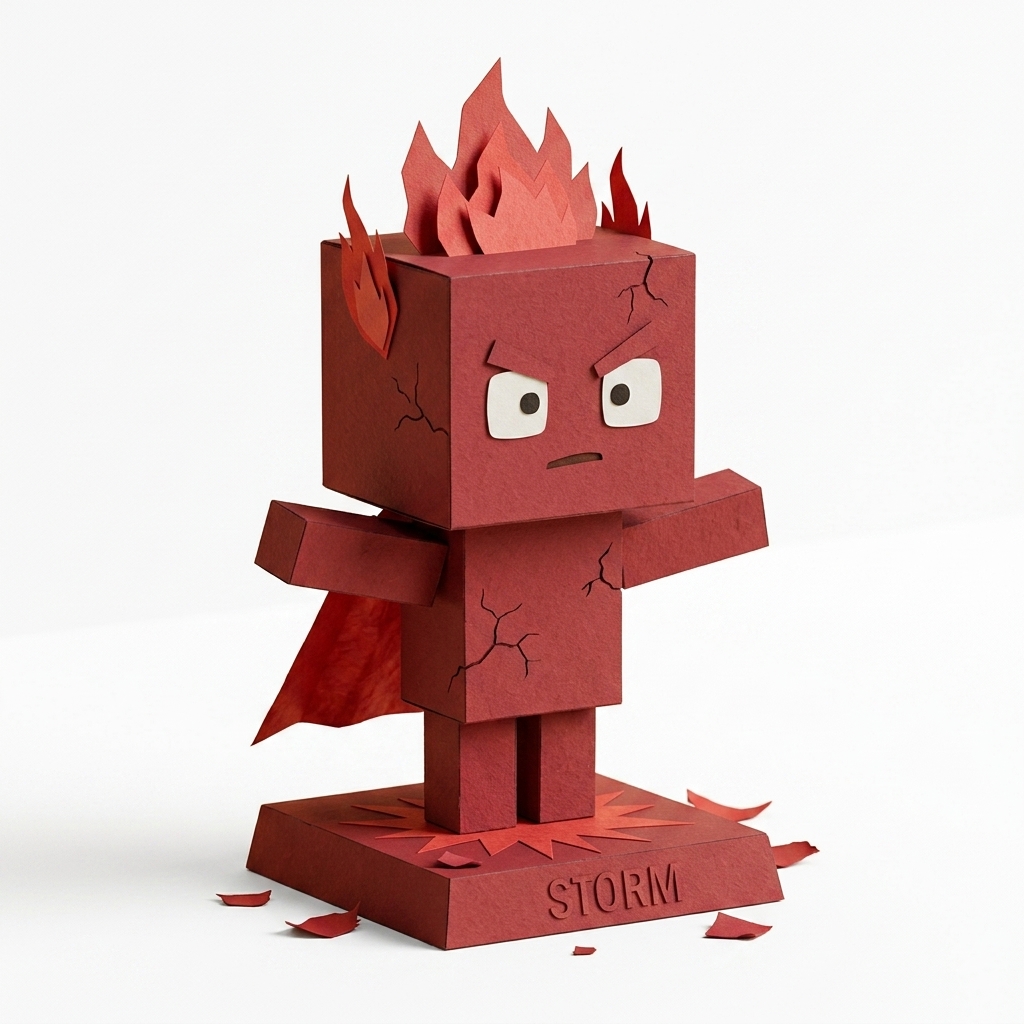
Measures how intensely you experience emotions and how long it takes to return to baseline. High scorers feel everything at full volume — joy, rage, rejection, excitement. This maps to the Storm mode.
Dimension 2: Cognitive Tempo
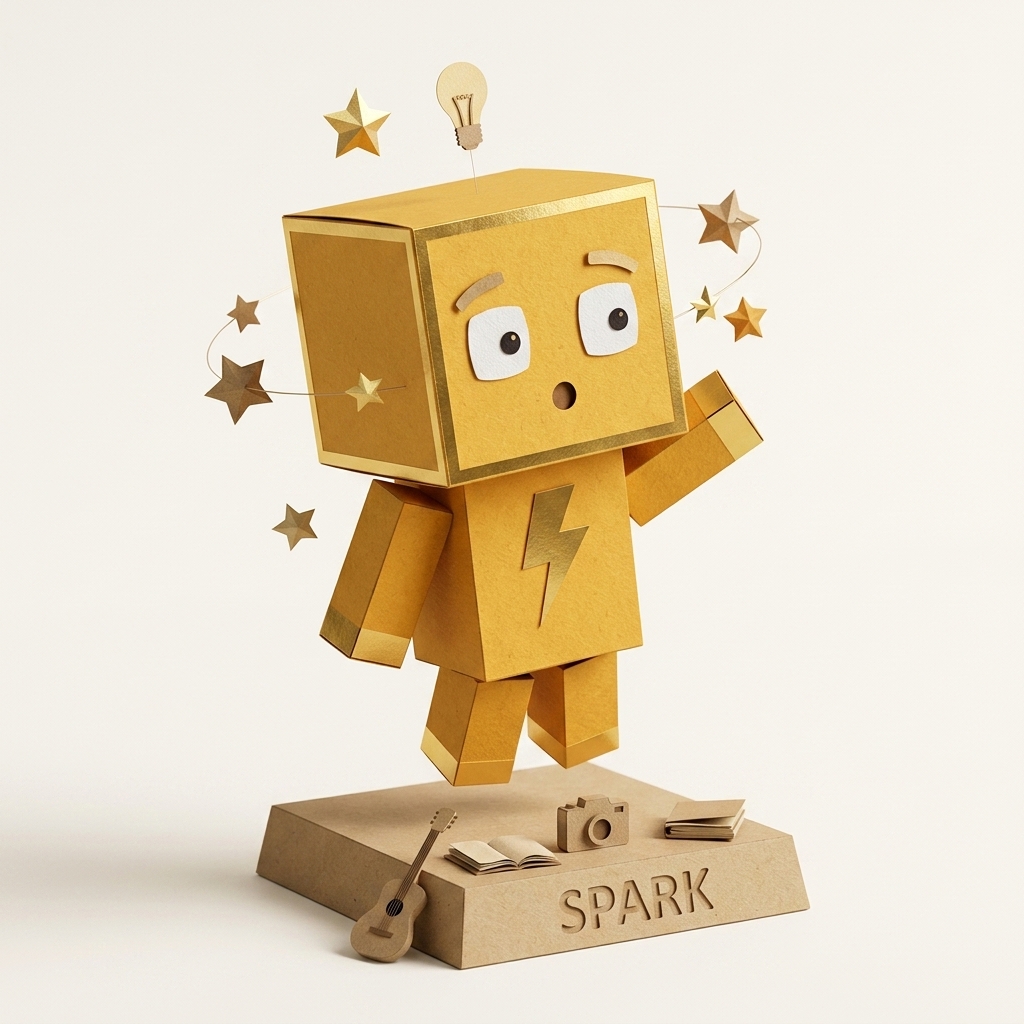
Your brain's processing speed and attentional consistency. Measures the spectrum from hyperfocused-to-scattered “racing mind” to the slow, foggy processing sometimes called Sluggish Cognitive Tempo. High scorers map to the Spark mode.
Dimension 3: Executive Activation
Your ability to initiate, organize, and sustain effort. This dimension captures the “I know what to do but I can't make myself start” experience. Low activation scorers map to the Freeze mode.
Dimension 4: Reward Sensitivity
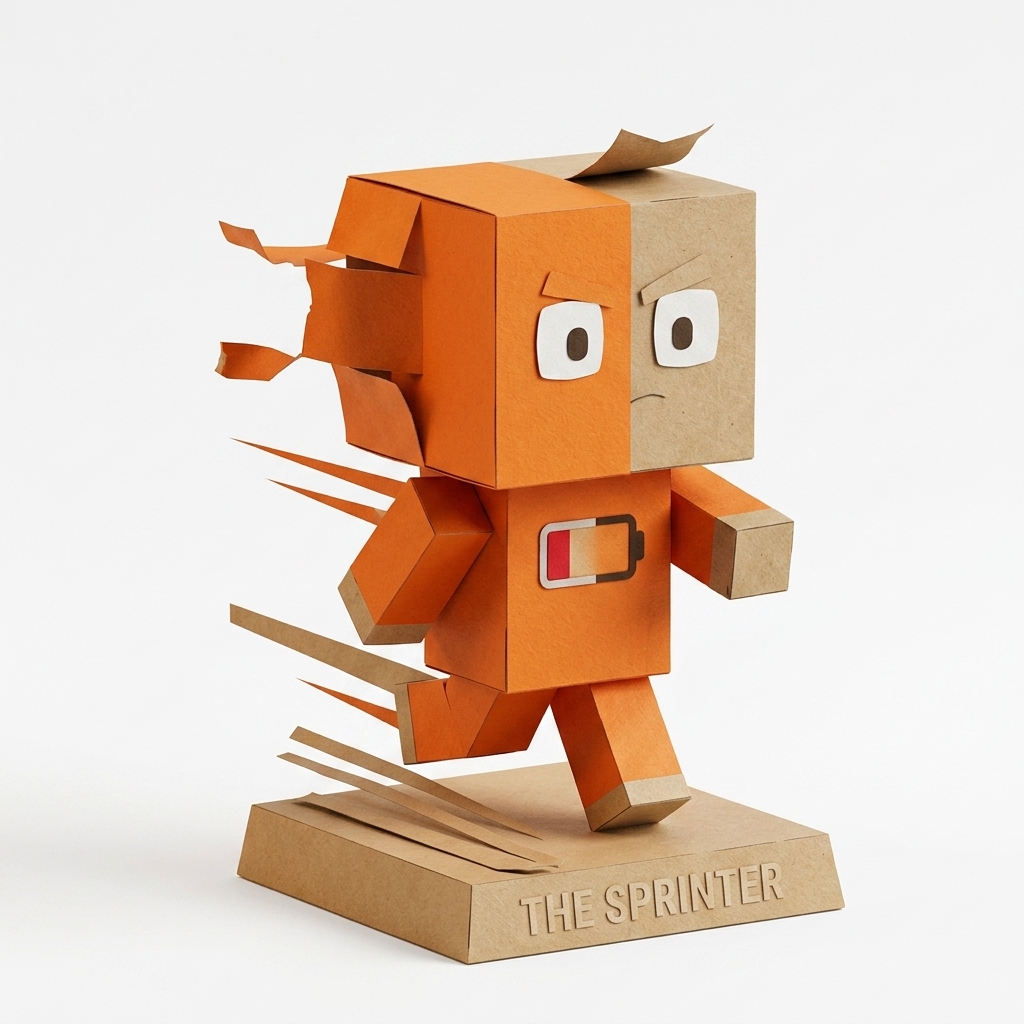
How your dopamine system responds to rewards and novelty. High sensitivity creates boom-bust cycles — intense productivity followed by crashes when interest fades. Maps to the Sprinter mode.
Dimension 5: Sensory / Internal Focus
Where your attention naturally gravitates — external stimuli or internal imagination. High internal focus means a rich inner world of ideas, stories, and connections that pulls you away from the present. Maps to the Dreamer mode.
The +1: Masking Detection
Social Masking Dimension
This dimension is different. It doesn't determine your mode — it detects whether you're hiding it. Masking measures the energy you spend compensating, performing neurotypical behavior, and concealing your ADHD patterns.
When your masking score crosses our threshold, the Masked modifieris applied to your result. A “Masked Storm” still feels everything — they've just learned to lock it behind a professional smile.
How Scoring Works
Raw Scores
Each of the 36 questions maps to one of the 6 dimensions (6 questions each). Your Likert responses (1-5) are summed per dimension.
Normalization
Raw scores are normalized to a 0-100 scale for comparability across dimensions.
Dominant Mode
Your highest-scoring core dimension (1-5) determines your primary mode. If two dimensions are within 10% of each other, you get a mixed mode.
Masking Check
If your Social Masking score exceeds the threshold (70%), the Masked modifier is applied. This is independent of your mode.
References
- Barkley, R. A. (2015). Deficient Emotional Self-Regulation (DESR) in Adults with ADHD. Journal of ADHD & Related Disorders.
- Brown, T. E. (2005). Attention Deficit Disorder: The Unfocused Mind in Children and Adults. Yale University Press.
- Sonuga-Barke, E. J. S. (2003). The dual pathway model of AD/HD. Neuroscience & Biobehavioral Reviews.
- Hull, L., et al. (2017). “Putting on My Best Normal”: Social Camouflaging in Adults with Autism Spectrum Conditions. Journal of Autism and Developmental Disorders. (Extended to ADHD masking context.)
- American Psychiatric Association. (2013). Diagnostic and Statistical Manual of Mental Disorders (5th ed.).
See Your Dimension Profile
Take the test to see your scores across all 5 dimensions — visualized in a radar chart with personalized analysis.
Take the Free Test →