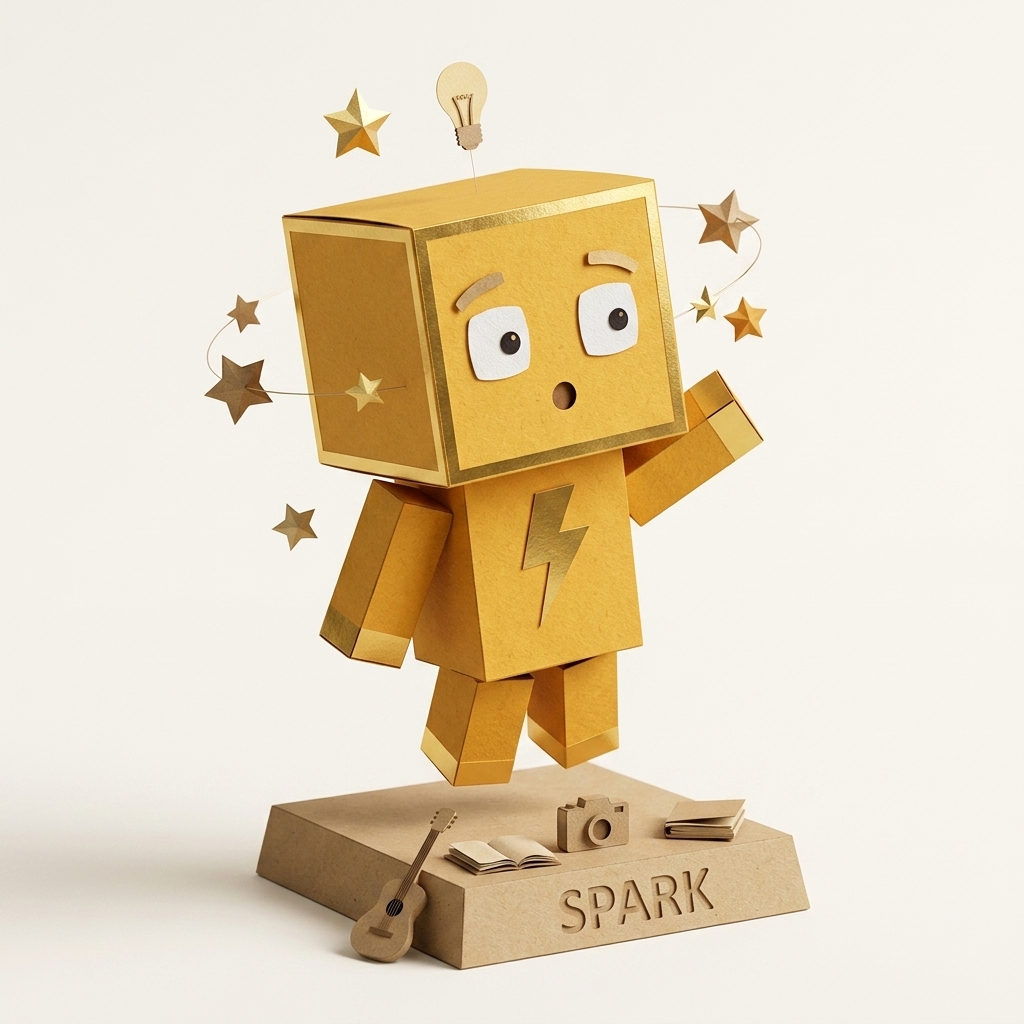
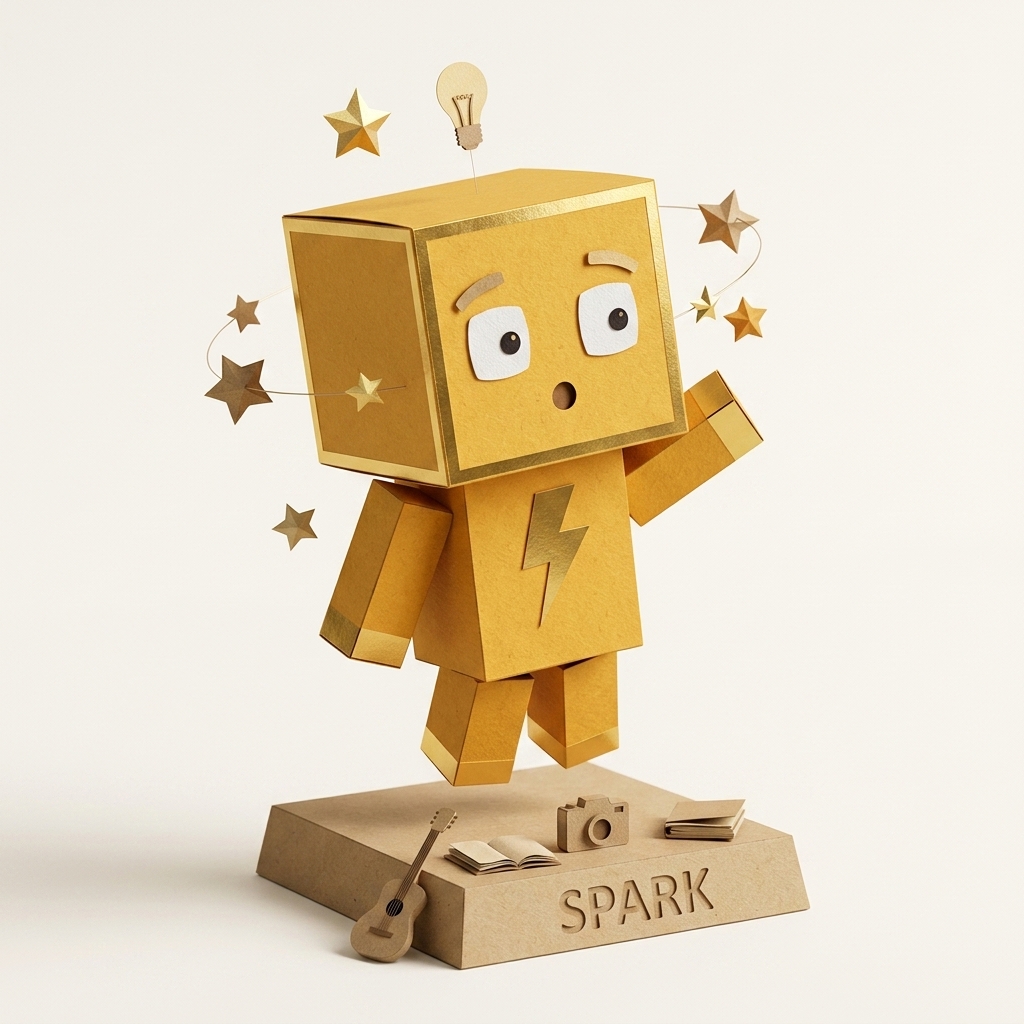

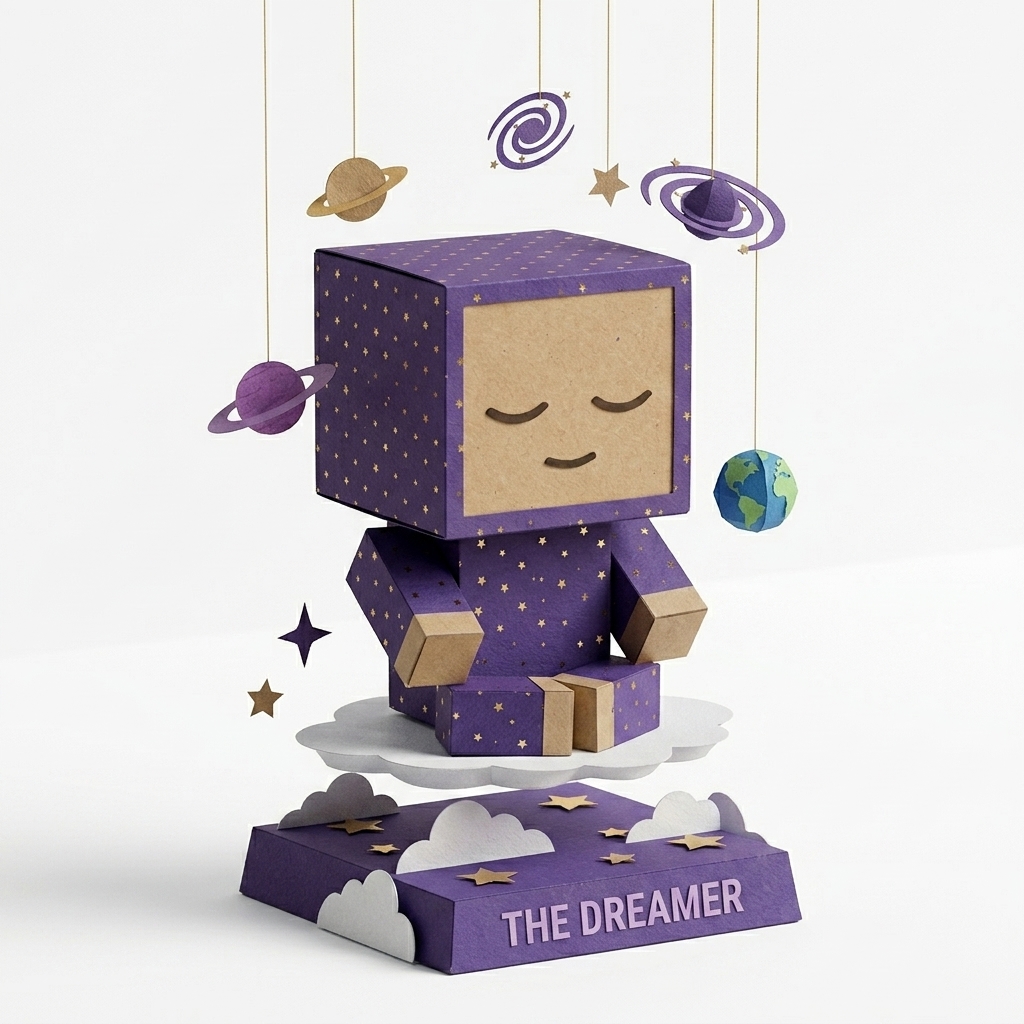
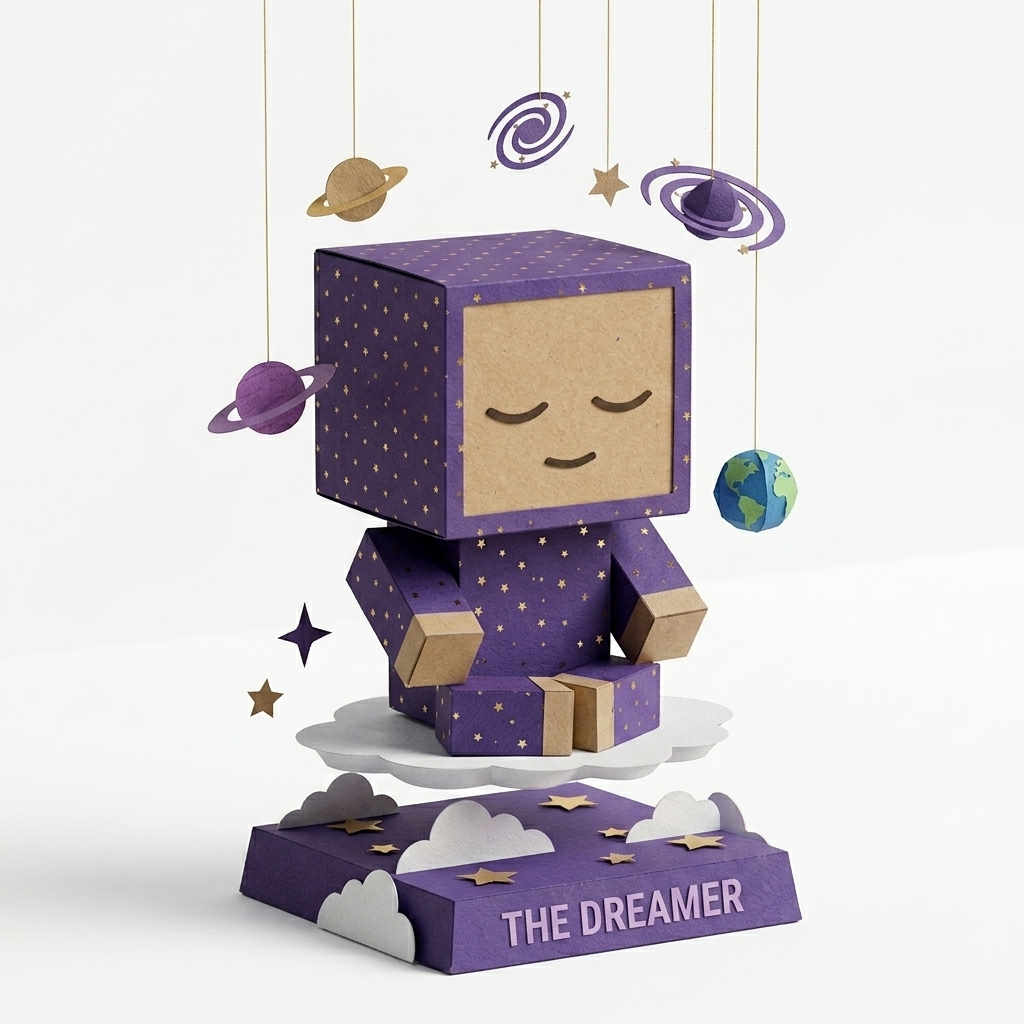
Dreamer
Frequently traveling through time and space
Your mind drifts to beautiful, unexpected places. You see connections others miss — but often forget where you parked your car.
Your Cognitive Blueprint
The Dreamer brain has a rich, vivid inner world that constantly competes with external reality for your attention — and the inner world usually wins. You don't "choose" to zone out. Your brain's Default Mode Network (DMN) — the neural circuit responsible for internal thought, imagination, and self-referential processing — is more active and more dominant than average, making it neurologically harder for you to maintain attention on external stimuli.
In neuroimaging studies (Castellanos et al., 2008), ADHD brains show reduced suppression of the DMN during task engagement. In neurotypical brains, the DMN automatically quiets when you need to focus on something external. In your brain, the DMN keeps broadcasting — competing with the task-relevant networks for cognitive bandwidth. The result: you're always processing two streams simultaneously — the external world you're trying to attend to, and the internal world you can't fully silence.
"That's So Me" Moments
+ 7 more in your full report
Your Superpowers
Deep Contemplative Thinking
Your default mode network doesn't just wander — it works. The thoughts that seem random are actually your brain processing information at a deep, associative level. You arrive at insights that sequential thinkers can't reach because they can't access the same depth of contemplative processing. Many of history's greatest thinkers — philosophers, scientists, artists — share this cognitive style.
Creative Incubation
Your mind-wandering is creative work disguised as inattention. Research shows that the incubation phase of creativity — the "aha" moment — happens during mind-wandering, when the DMN connects disparate concepts below conscious awareness. Your brain is an incubation chamber for original ideas. The solutions come to you not because you're trying, but because you're not.
Emotional Depth & Nuance
Your rich inner world gives you access to emotional and psychological nuance that most people never develop. You understand complexity, ambiguity, and the spaces between things. This makes you an exceptional writer, artist, counselor, or anyone whose work requires understanding the full spectrum of human experience.
The Hard Parts
The Attention Drift
Your attention doesn't crash like Storm's emotions or stall like Freeze's initiation. It quietly, gently, almost invisibly drifts away from whatever you're supposed to be focusing on. You don't feel it happening. There's no alarm, no resistance — just a seamless transition from external engagement to internal wandering. By the time you notice, you've lost 10-30 minutes without any conscious decision to disengage.
Processing Speed Mismatch
You process deeply but slowly. In a world that rewards quick responses — fast email replies, real-time discussions, on-the-spot answers — your contemplative pace is a disadvantage. You know the answer, but it needs 20 minutes of internal processing that the conversation didn't give you. This leads to a chronic experience of "I should have said..." and "my best thoughts come 2 hours later."
The Listening Gap
You genuinely want to listen. You try to listen. But conversations are a stream of external stimuli, and your brain has a built-in tendency to follow internal currents instead. The result: you miss critical information — instructions, emotional cues, names, dates — not because you don't care, but because your attention was silently kidnapped by your own thoughts.
Strategy Playbook
The Anchor Object
Use a physical object — a textured stone, a fidget ring, a rubber band on your wrist — as an attention anchor. The tactile sensation provides a constant, low-level external stimulus that competes with your internal drift, keeping you tethered to the present moment without requiring conscious effort. Touch it when you notice yourself drifting. The physical sensation pulls you back.
Active Listening Technique: Paraphrase
In important conversations, periodically paraphrase what you've heard: "So what you're saying is..." This serves two purposes: it forces your brain to engage with the external content (processing it for accurate summary), and it signals to the other person that you're listening — which reduces the social anxiety that accompanies your attention drift.
The Wandering Window
Schedule 30-60 minutes daily of intentional, guilt-free mind-wandering. Take a walk without a podcast. Sit with a cup of tea and let your thoughts go wherever they want. By giving your DMN dedicated time to operate freely, you reduce its need to hijack your attention during task time. Think of it as taking your dog to the park — let it run free so it stops pulling the leash.
Write to Think
Your thoughts exist in a rich, non-linear, sometimes non-verbal form that is difficult to articulate spontaneously. Writing provides the translation layer: it forces your associative thinking into sequential form, which both clarifies your ideas and creates tangible output from what would otherwise be invisible processing. Don't wait for clarity before writing — write to create clarity.
+ 4 more strategies in your personalized report
Could you be a Masked Dreamer?
Some Dreamers learn to hide their ADHD so well that nobody knows — but it costs enormous energy. Our test detects this hidden layer.
Think you might be a Dreamer?
Take our free 5-minute test to discover your dominant ADHD brain mode. You'll get a personalized report with superpowers, hard parts, and strategies.
Take the Free Test →